
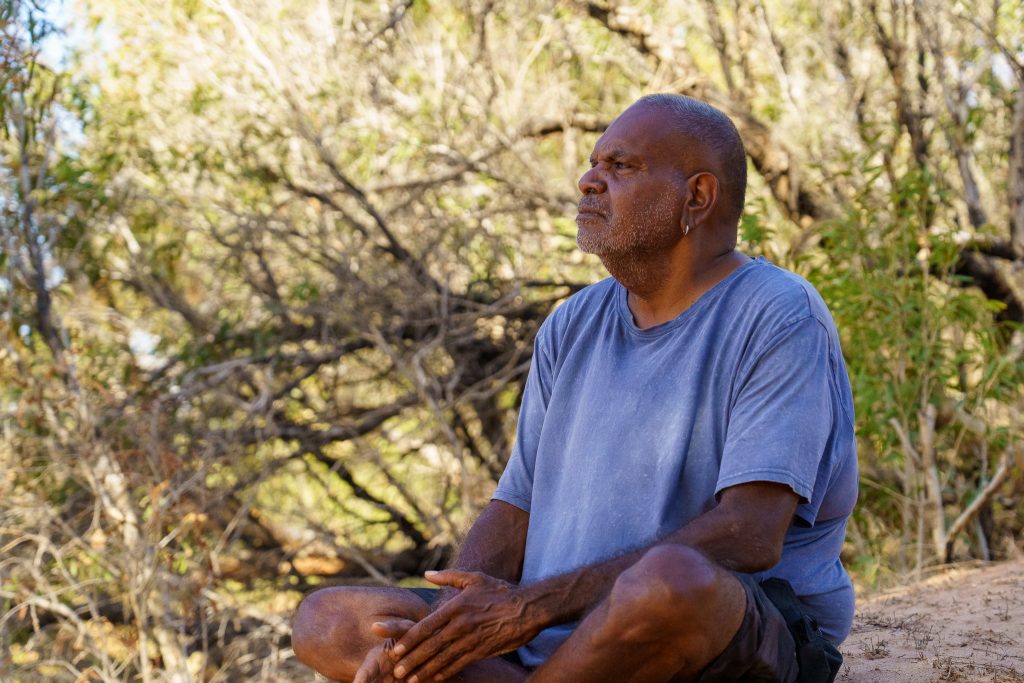
Carnarvon Juvenile Justice Teams (JJTs) bring young people, their families, Elders and key services together around the same table to deal with offending in a more constructive way. Instead of going straight through the court system, young people work with a JJT to understand what has happened, make amends, and agree on a plan that supports them to do better.
What are JJT Conferences?
In Western Australia, police can choose to refer some young people who have committed less serious offences to a Juvenile Justice Team instead of sending them directly to the Children’s Court. A JJT conference is a structured meeting where the young person, their family, a youth justice officer and other key people sit down together to:
- talk about what happened
- understand the impact on others
- agree on a practical plan to repair harm and change behaviour.
This makes JJTs a diversionary strategy – they give young people an early “off-ramp” from the formal court system so that a mistake does not automatically lead to a criminal record or detention. Evidence from the early years of JJTs in WA showed that when they were introduced, charges before the Children’s Court dropped and admissions to detention decreased, demonstrating the value of diversion.
Why this project is needed
Too often, young people in Carnarvon first come into contact with the justice system when things have already escalated. Families are under pressure, school and training have dropped away, and there is little space for proper conversation, accountability and support.
Standard court processes can feel confusing, intimidating and far from home. They rarely create the conditions for young people to take responsibility in a meaningful way or for families and community to be actively involved. For Aboriginal young people, this can add another layer of disconnection from culture, Elders and Country.
The JJT model gives us a more human and culturally grounded alternative. It creates a safe, structured space for young people, their families, police, Youth Justice, Elders and service providers to sit together, talk honestly about what has happened, and co‑design an action plan that is realistic and supported.
What has been done so far
Local partners in Carnarvon have been working with the Department of Justice to design a strengthened JJT approach for our region. This includes:
- building a pool of respected Elders and Mentors who can sit on JJTs, support families and guide decision‑making
- mapping local services and supports that can be written into JJT action plans (education, mentoring, cultural activities, counselling, employment and training pathways)
- shaping a clearer process so families know what to expect, and so that the young person’s voice is heard and taken seriously.
A separate proposal has been prepared to fund a dedicated Project Coordinator and support staff to manage referrals, support Elders, and make sure that action plans are followed through rather than sitting on a shelf.
Where the project is up to now
At this stage, the focus is on:
- finalising an agreed JJT model that fits Carnarvon’s context
- supporting more Gascoyne Elders and community members through Department of Justice screening so they can participate
- putting in place the coordination and data systems needed to track outcomes, not just meetings held.
Work is continuing with Justice and Youth Justice Services to secure the resources and approvals needed to move from pilot design to full implementation.
What this project is hoping to deliver
Over the next phase, the JJT project is aiming to:
Build trust in the justice system by showing that accountability can sit alongside care, culture and second chances.
Make JJTs the first choice response for suitable matters involving young people in Carnarvon, so the court is not the only pathway.
Increase the role of Elders and family in decision‑making about young people, with culturally grounded guidance and support.
Create realistic, supported action plans that link young people into education, training, cultural programs, mentoring and other supports that fit their life.
Improve completion rates for JJT action plans by providing coordination, follow‑up and practical help to families.
Reduce re‑offending over time, by addressing the reasons behind the behaviour instead of just the behaviour itself.